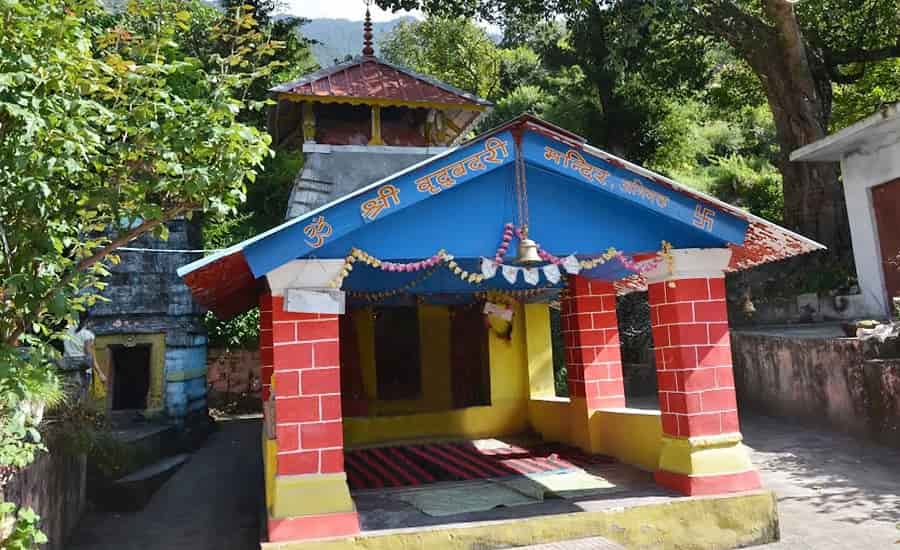
The Vriddha Badri Temple is one of the most sacred yet lesser-known pilgrimage sites in Uttarakhand. Revered as the oldest shrine of Lord Vishnu in the Badri Kshetra, Vriddha Badri holds immense spiritual significance, especially for devotees seeking a peaceful and less crowded alternative to Badrinath Dham.
Located in the Chamoli district of Uttarakhand, this ancient temple is deeply rooted in Hindu mythology and forms an important part of the Sapta Badri circuit. Unlike Badrinath, Vriddha Badri remains open throughout the year, making it a spiritually important destination even during winter months.
- Deity: Lord Vishnu
- Built By: Vishwakarma
- Location: 7 km from Joshimath
- Timings: 05:00 A.M. to 09:00 P.M.
- Entry Fee: No entry fee
Spiritual Significance of Vriddha Badri Temple
Vriddha Badri is believed to be the earliest form of Lord Badri Vishal. According to traditional belief, Lord Vishnu was worshipped here before the establishment of Badrinath Temple.
The idol of Lord Vishnu at Vriddha Badri is unique because:
-
It is self-manifested (Swayambhu)
-
The deity is depicted in an aged (Vriddha) form
-
Worship here is considered spiritually powerful, especially for elders
Pilgrims believe that darshan at Vriddha Badri grants peace, wisdom, and liberation from worldly attachments.
Mythological History of Vriddha Badri
As per ancient Hindu scriptures and oral traditions, Vriddha Badri is associated with Sage Narada, who is believed to have meditated at this sacred site. It is said that Lord Vishnu appeared here in an aged form to bless the sage.
Another widely accepted belief states that when the population around Badrinath increased and disturbances grew, Lord Vishnu shifted his presence from Vriddha Badri to the present-day Badrinath Temple. This is why Vriddha Badri is regarded as the original Badri shrine.
Vriddha Badri and Sapta Badri Circuit
Vriddha Badri is one of the seven Badri temples, collectively known as Sapta Badri. These temples are dedicated to different manifestations of Lord Vishnu and are visited by devotees who wish to complete the extended Badri pilgrimage.
Vriddha Badri holds a special place in this circuit because it is:
-
The oldest among Sapta Badri
-
Accessible throughout the year
-
Less crowded and deeply meditative
Location of Vriddha Badri Temple
Vriddha Badri Temple is located in a small village near Joshimath, in the Chamoli district of Uttarakhand. The temple is surrounded by terraced fields, traditional Himalayan homes, and serene mountain landscapes.
-
Region: Garhwal Himalayas
-
Altitude: Approx. 1,380 meters above sea level
-
Nearest Town: Joshimath
The calm environment makes it ideal for spiritual seekers and slow travelers.
Architecture and Temple Structure
The architecture of Vriddha Badri Temple is simple yet spiritually profound, reflecting early Himalayan temple design.
Key features include:
-
Stone-built sanctum
-
Small prayer hall
-
Traditional Garhwali architectural style
-
Natural setting without heavy construction
The simplicity of the structure enhances the meditative atmosphere and spiritual focus.
Religious Practices and Worship
Daily worship at Vriddha Badri follows Vaishnav traditions. The rituals are performed by local priests and include:
-
Morning and evening aarti
-
Vishnu Sahasranama chanting
-
Special prayers during Ekadashi
-
Seasonal religious observances
Unlike major shrines, rituals here are unhurried and deeply personal.
Best Time to Visit Vriddha Badri Temple
One of the biggest advantages of Vriddha Badri is that it is open all year round.
Best Visiting Periods:
-
March to June – Pleasant weather, ideal for pilgrims
-
September to November – Clear skies and peaceful surroundings
-
Winter Months – Temple remains accessible, unlike Badrinath
Monsoon months may experience rainfall, but accessibility usually remains intact.
How to Reach Vriddha Badri Temple
Vriddha Badri is easily accessible via road from major Uttarakhand towns.
By Road
-
Well-connected via Joshimath
-
Motorable roads available till the village
By Rail
-
Nearest railway station: Rishikesh / Haridwar
-
Road journey continues from there
By Air
-
Nearest airport: Jolly Grant Airport, Dehradun
-
Taxi or bus service required afterward
The final approach to the temple involves a short walk, making it accessible to most pilgrims.
Accommodation Near Vriddha Badri
Accommodation options near Vriddha Badri are modest but comfortable.
-
Guesthouses in nearby villages
-
Budget hotels in Joshimath
-
Basic dharamshalas for pilgrims
Luxury accommodation is limited, which helps preserve the temple’s spiritual environment.
Why Visit Vriddha Badri Temple in 2026
With increasing crowd pressure at major dhams, Vriddha Badri offers:
-
Authentic spiritual experience
-
Minimal commercialization
-
Peaceful darshan
-
Year-round accessibility
It is especially suitable for:
-
Senior citizens
-
Spiritual seekers
-
Pilgrims during winter
-
Those completing Sapta Badri Yatra
Important Travel Tips
-
Carry sufficient cash (limited ATM access)
-
Respect local customs and temple rules
-
Dress modestly
-
Avoid plastic usage
-
Prefer daytime travel
Conclusion
The Vriddha Badri Temple is not just a pilgrimage site—it is a journey into the earliest roots of Badri worship. Its ancient legacy, peaceful environment, and year-round accessibility make it one of Uttarakhand’s most spiritually rewarding destinations.
For devotees seeking depth over crowds, Vriddha Badri stands as a timeless reminder of faith, simplicity, and divine presence.
Frequently Asked Questions
1. Is Vriddha Badri Temple open in winter?
Yes, Vriddha Badri remains open throughout the year, including winter.
2. Where is Vriddha Badri located?
It is located in Animath village near Joshimath in Chamoli district, Uttarakhand.
3. Why is it called Vriddha Badri?
Because Lord Vishnu appeared here in the form of an old man (Vriddha).
4. Is Vriddha Badri part of Char Dham?
No, it is part of the Sapta Badri circuit, not Char Dham.
5. Can senior citizens visit Vriddha Badri?
Yes, the temple is accessible by road and suitable for elderly pilgrims.
6. What is the best time to visit Vriddha Badri?
March–June and September–November are ideal; winters are also good.
7. How far is Vriddha Badri from Joshimath?
Approximately 7 km.
8. Is prior registration required?
No mandatory registration is required as of 2026.
9. Can Vriddha Badri replace Badrinath darshan in winter?
Spiritually, many devotees consider it a winter alternative.
10. Are accommodations available nearby?
Yes, hotels and guesthouses are available in Joshimath.
- Suggested Tour: Panch Badri Yatra Tour Packages

Related Posts
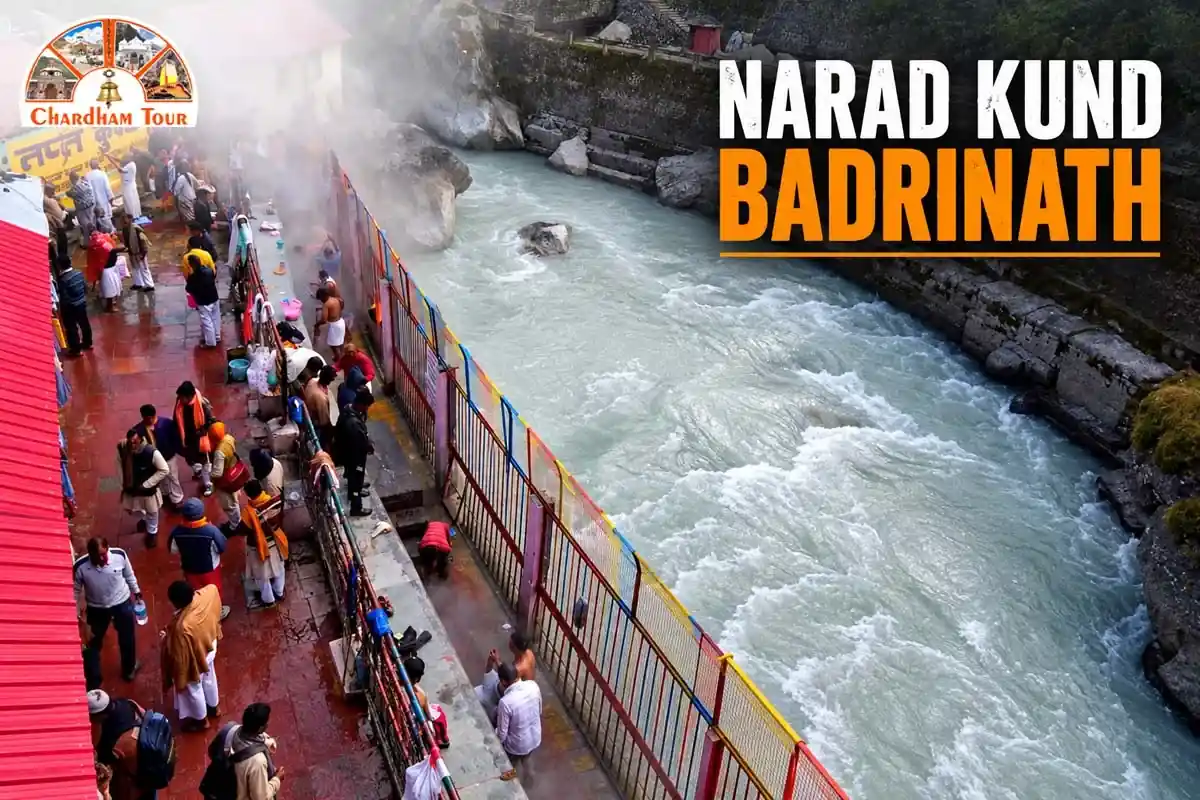
Narad Kund, Badrinath
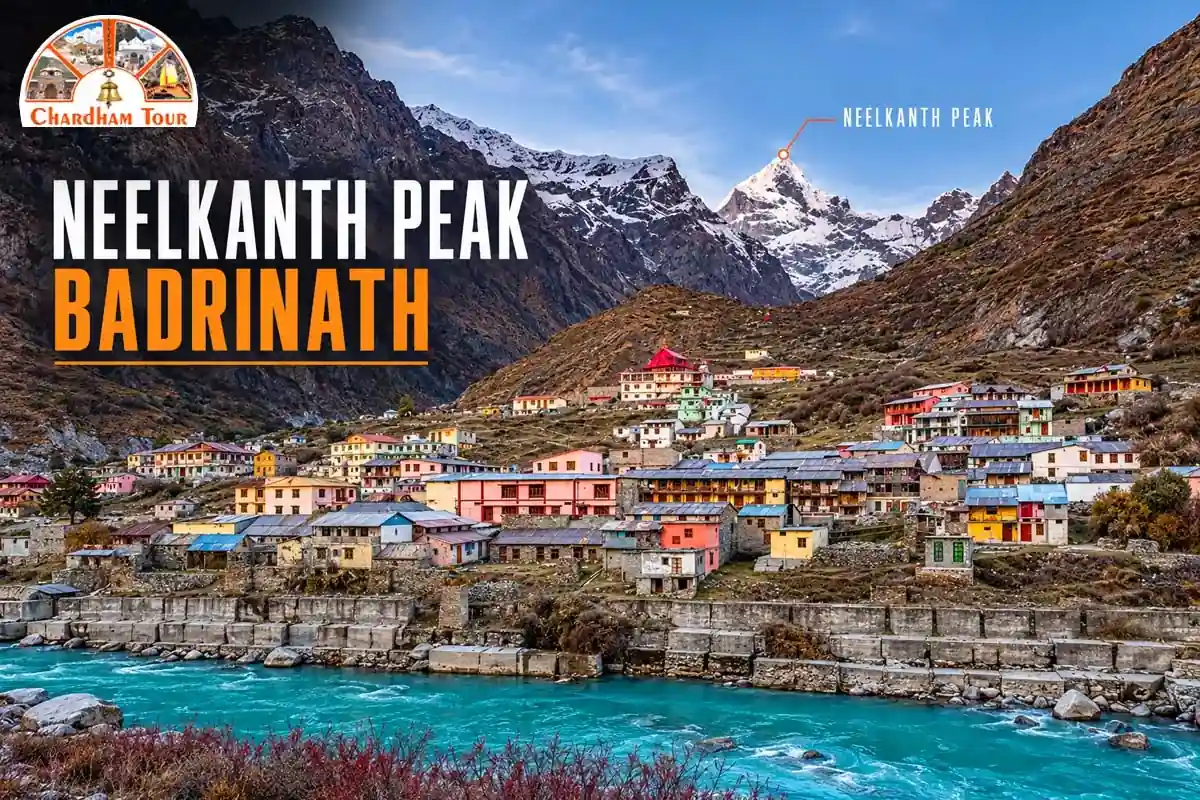
Neelkanth Peak, Badrinath